



At a Glance
Figuring out the right stove top and range hood can feel like a frustrating puzzle for many homeowners. You might buy a beautiful new cooking surface only to realize your ventilation cannot handle the heat or smoke. This mismatch leads to lingering odors, greasy cabinets, and a less enjoyable cooking experience.
Proper kitchen ventilation protects your indoor air quality and keeps your home safe. We help you cut through the confusion to find the perfect pairing for your cooking style and kitchen layout.
In this guide, we break down everything from calculating airflow and measuring clearance to understanding building codes and design trends. You will discover exactly how to balance power, size, and aesthetics to build a functional and beautiful kitchen.
Upgrade Your Cooking Experience
Explore our premium selection of appliances and find the perfect match for your kitchen today.
Explore Our Stove Tops & Range Hood CatalogKey Takeaways
- Size your ventilation at least three to six inches wider than your cooking surface for optimal capture.
- Match your blower power to your fuel type by using a reliable range hood CFM calculator.
- Always check local building codes for make-up air system requirements when installing powerful exhausts.
- Choose ducted installations over ductless setups to permanently remove heat and moisture from your home.
Why Matching Your Cooktop and Ventilation Matters
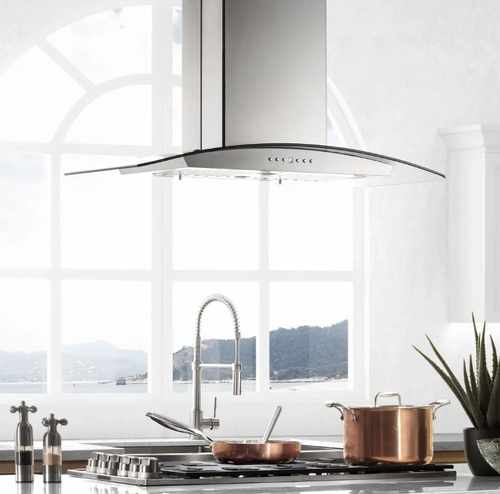
Your ventilation system acts as the lungs of your kitchen. It actively pulls heat, steam, grease, and smoke away from the cooking surface and pushes it outside. If you use high-heat methods like searing or wok frying, a large cooking fume capture area becomes highly important. Undersized hoods let greasy air escape into your room, which coats your cabinets and degrades your indoor air quality over time.
To understand performance, you need to know about two main measurements. CFMs measure the volume of air the hood moves per minute. BTUs measure the heat output of gas burners. Balancing these two factors prevents long-term damage to your drywall and keeps your home smelling fresh.
Calculating the Right Power: BTUs, CFMs, and Airflow
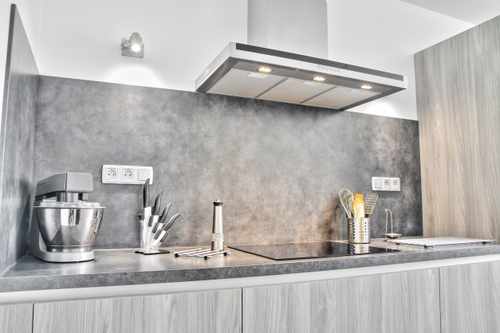
Finding the right blower power requires simple math. For standard gas stove ventilation requirements, take the total BTUs of all your burners combined and divide that number by 100. A 60,000 BTU gas cooktop needs a 600 CFM hood to perform effectively. Electric surfaces follow a different rule based on physical size rather than heat output.
When looking at an induction cooktop range hood, you typically need 10 CFM for every inch of cooktop width. A standard 30-inch induction model requires at least 300 CFM. High-heat cooking styles change this math significantly. If you frequently fry or sear meats, you should increase your blower capacity by 20 to 30 percent to handle the intense bursts of smoke.
Stove Top and Range Hood Pros and Cons: Gas vs. Induction Ventilation Needs
Choosing the right fuel type directly impacts how much exhaust power you need to install. Gas burners produce intense ambient heat that requires heavy-duty venting, while induction focuses heat strictly on the cookware.
Pros
Delivers immediate temperature control for high-heat wok frying on gas surfaces.
Keeps the surrounding kitchen cooler when utilizing induction technology.
Requires a smaller, quieter exhaust system for flat electric surfaces.
Cons
Demands massive air movement to safely exhaust carbon monoxide from gas burners.
Forces homeowners to install larger ductwork for high-BTU professional gas ranges.
Requires careful sizing to prevent capturing too little smoke during intense searing on induction.
Sizing Guidelines for Optimal Smoke and Odor Capture
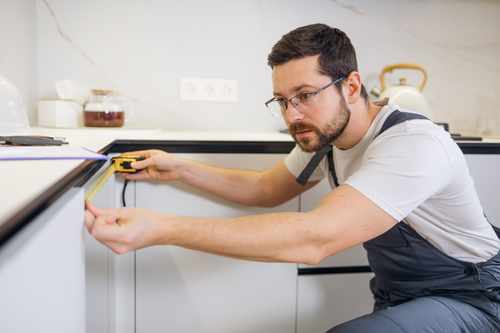
Proper installation dimensions determine how well your exhaust catches rising smoke. The golden rule of kitchen exhaust sizing guide specifications says your hood should sit three to six inches wider than your cooktop. This extra width creates a highly effective capture area that traps billowing steam before it escapes into the room. Depth matters just as much as width for trapping grease from the front burners.
Mounting height varies based on the cooking technology you select. We generally recommend placing the canopy 24 to 30 inches above electric surfaces. Gas models require a slightly higher clearance of 30 to 36 inches to prevent fire hazards. When installing ductwork, always seal your rigid metal duct joints with UL-listed aluminum foil tape rather than standard cloth duct tape, which degrades rapidly under high heat.
Tall ceilings complicate your installation and often require custom chimney extensions. An island mount range hood clearance needs careful measuring because cross-drafts in open floor plans blow smoke away from the exhaust.
Comparing Range Hood Styles for Your Kitchen Layout
| Style | Best Kitchen Layout Use Case | Airflow Efficiency Rating | Visual Footprint | Ducting Complexity |
|---|---|---|---|---|
| Under-Cabinet | Compact kitchens with overhead storage | Moderate | Low | Simple |
| Wall-Mount | Open wall spaces without upper cabinets | High | High | Moderate |
| Island-Mount | Cooking peninsulas and central islands | Moderate to High | Very High | Complex |
| Insert/Custom | Traditional kitchens with custom woodwork | High | Hidden | Moderate |
| Downdraft | Unobstructed island views | Low to Moderate | Hidden | Complex |
Navigating Ducting, Noise Levels, and Building Codes

Moving air outside permanently solves moisture and odor problems. When comparing ducted vs ductless hood efficiency, we strongly advocate for venting outside whenever your home structure allows it. Ductless models simply push air through a charcoal filter and blow it back into the room, leaving heat and moisture behind. Under-cabinet vs wall-mount hood choices often dictate how easily you can run this ductwork.
We measure exhaust noise in sones rather than decibels. A good range hood noise level sones rating sits between one and three on normal operating speeds. Balancing powerful airflow with quiet operation keeps your kitchen comfortable during long cooking sessions.
Heavy-duty exhausts pull massive amounts of air out of your house quickly. Most local building codes enforce strict make-up air system requirements for any blower exceeding 400 CFM. These automated dampers pull fresh air back into the house to replace the exhausted air, preventing dangerous backdrafts from your furnace or fireplace.
Styling Your Cooking Zone: Smooth Appliance Integration
Your appliances should look like they belong together visually. Coordinating your metals and finishes creates a cohesive and inviting environment. Many homeowners mix metals intentionally, combining brass hardware with commercial-grade stainless steel to add warmth to the space. Proper stove top overhang rules also dictate how the edges of your appliances align with your stone countertops.
You can also build custom wood enclosures around hidden blower inserts to match your cabinetry perfectly. If you invest in a heavy-duty cooking surface, you must consider the visual weight of the space. The best ventilation for pro-style ranges features a thick, robust canopy that perfectly mirrors the aggressive styling of the heavy grates below. A thin, delicate glass canopy looks completely out of place above a massive commercial range.
Featured Cooktop and Ventilation Catalogs
Finding the exact appliance to match your daily routine takes a bit of research. We carry an extensive lineup of reliable models designed to fit any kitchen layout perfectly. Browse our top categories below to start planning your next upgrade.
Cooktops
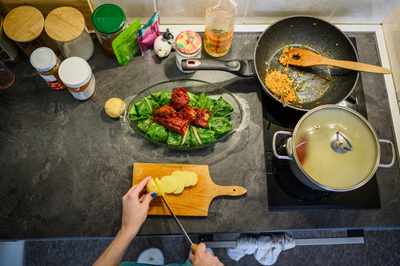
Upgrading your main cooking surface completely changes how you prepare meals for your family. Our comprehensive catalog features reliable gas, precise electric, and highly efficient induction models built to handle everything from quick weekday breakfasts to elaborate holiday dinners. Finding the right fit means exploring different burner configurations, continuous cast-iron grates, and easy-to-clean glass surfaces. Whether you need a compact drop-in model for a tight island or a massive professional surface for serious entertaining, we have options that deliver consistent heat. Exploring these units allows you to match your culinary ambitions with everyday practicality.
- Power Burners: Delivers rapid boiling and intense heat for perfect searing on demand.
- Continuous Grates: Allows you to slide heavy pots effortlessly across the entire surface.
- Simmer Control: Provides delicate low-heat settings to melt chocolate without scorching.
Ventilation
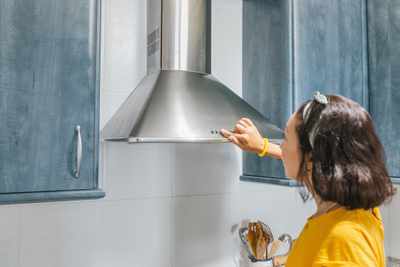
Protecting your cabinetry and indoor air quality starts with selecting a highly capable exhaust system. Our ventilation selection includes powerful wall-mount canopies, discreet under-cabinet units, and sleek downdraft systems engineered to trap grease and banish odors instantly. Maintaining a fresh home requires a blower motor rated to handle your specific cooking habits and fuel type. You can browse various finishes, filter types, and noise ratings to find a unit that complements your home design perfectly. Investing in proper air movement keeps your kitchen clean while providing a stunning visual centerpiece for the room.
- Baffle Filters: Traps airborne grease efficiently and cleans up easily in the dishwasher.
- Variable Speeds: Offers precise control over airflow and noise levels during meal prep.
- LED Lighting: Illuminates your cooking surface brightly for improved safety and visibility.
Upgrade Your Kitchen with the Perfect Stove Top and Range Hood
Sizing your ventilation correctly and matching it to your cooktop and hood size requirements keeps your home fresh and protects your cabinetry from grease damage. Balancing blower power, dimensions, and visual aesthetics creates a highly functional and beautiful culinary space. Visit Tony's Appliance today to experience our expert showroom guidance and outstanding local customer service. We offer professional installation teams to set up your new appliances perfectly, giving you an advantage you simply cannot get at national big-box stores.
Frequently Asked Questions about Stove Tops and Range Hoods
You should never use a range hood that measures smaller than your cooktop surface. A smaller exhaust fails to capture expanding smoke, allowing grease and odors to escape into your kitchen.
You must mount your range hood between 30 and 36 inches above a gas stove top to prevent fire hazards. This specific height safely accommodates the open flames while maintaining an effective draft.
You need a make-up air system if your new range hood pulls more than 400 CFM of air. Local building codes enforce this rule to prevent dangerous carbon monoxide backdrafts from your furnace.
A good sone rating for a quiet range hood sits between one and three on its normal operating speed. This low rating lets you hold a normal conversation while cooking without shouting over the motor.
An induction stove top can use a standard range hood sized appropriately for its width. Because induction produces no ambient heat, you can safely utilize lower CFM blowers compared to heavy-duty gas setups.
A ducted range hood is always better than a ductless one because it physically removes heat, moisture, and smoke from the building. Ductless models only filter grease and push the warm, humid air back into your room.
Why Trust Tony's Appliance
Tony's Appliance is a family-owned and operated business that has been supplying the South Metro area with the best appliances for over 35 years. We believe in providing experienced, honest service that is prompt and economical. Our mission is to provide the best quality for the money spent, and our customers are the reason we've been successful for so long.
We are proud to say we have earned our customer's trust over the years. Whether you're looking for a complete kitchen upgrade or simply need a reliable new dishwasher, we have got you covered! Our experienced professionals know how to deliver your appliances safely and properly install them.
Shop Cooktops at Tony's Appliance Today
We are proud to service the Burnsville, MN, area for all your indoor and outdoor appliance needs. Come by and talk to one of our specialists to discover the difference between shopping locally and shopping at a big-box store — especially when it comes to finding the perfect Bosch dishwasher for your home. Or take a look at our online catalog to find all you need! Whether you have a simple question about Bosch dishwasher features or need guidance on the right model, give us a call at 952-435-2442, use our chat feature, or visit us in person.