

The pile of dirty clothes on the laundry room floor continues to grow while your current machine aggressively shakes its way across the linoleum on the spin cycle. Wrestling with worn-out equipment turns laundry day into a frustrating chore that steals hours of your weekend. As you finally decide it is time for an upgrade, you immediately face the biggest decision in modern laundry care. Choosing between a top load vs front load washer dictates how you do laundry, how much you spend on utilities, and how long your clothes actually last.
Our team has handled the heavy lifting to make this choice completely stress-free. At Tony's Appliance, we guide homeowners through these exact decisions every single day. This article breaks down the five core differences between these machine styles, covering cleaning performance, water usage, and physical layouts so you can find the perfect fit for your home.
Upgrade Your Laundry Room Today
Find the perfect washing machine to fit your home and lifestyle at Tony's Appliance.
Key Takeaways
- Cleaning Mechanics: Front loaders use gravity to tumble clothes for deep stain removal, while top loaders rely on an agitator or impeller to move garments through the water.
- Utility Savings: Front load models operate as highly efficient systems, using a fraction of the water and electricity compared to traditional machines.
- Space Planning: Stacking a front load system saves floor space, but top loaders offer superior comfort since you do not have to bend down to load heavy wet clothes.
1: Cleaning Performance and Fabric Care
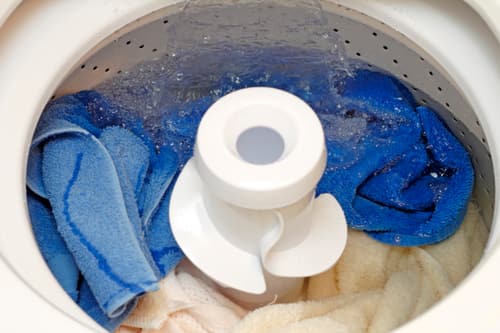
The physical way these machines clean your clothes looks completely different. Traditional top loaders use a tall central post to push and pull garments through a deep tub of water. When you compare a washer agitator vs impeller setup, the impeller models use a low-profile disc at the bottom to gently rub clothes together. Meanwhile, front loaders rely entirely on gravity. As the washer drum spins, the clothes tumble up and drop back down into a shallow pool of water.
This tumbling action makes front loaders exceptional at lifting tough stains. The constant lifting and falling allows the laundry detergent to penetrate the fabric fibers more effectively. You also gain a significant advantage in fabric longevity. The reduced friction in a front load drum means less wear and tear on your favorite shirts and denim, helping your everyday clothing last much longer.
2: Water Consumption and Utility Costs
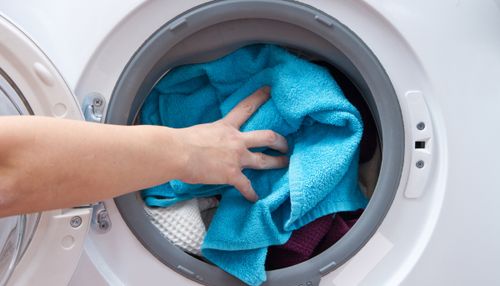
Modern laundry equipment puts a heavy focus on conservation. Front load units are inherently high-efficiency washing machines because they do not need to fill an entire deep tub to soak your clothes. Instead, they use a small pool of water at the bottom of the drum and rotate the clothes through it.
Understanding the water usage per load paints a clear picture of utility costs. A standard top load machine uses roughly 30 to 45 gallons of water to wash a large load. Front load models typically finish the same job using just 10 to 15 gallons of water. While a front load machine might cost a bit more on the showroom floor, the drastic reduction in water and electricity usage creates major savings on your monthly utility bills.
Feature-by-Feature: Top Load vs Front Load Washer Specs
| Feature | Top Load Washer | Front Load Washer |
|---|---|---|
| Average Water Usage in Gallons | Uses 30 to 45 gallons per standard load. | Uses 10 to 15 gallons per standard load. |
| Typical Cycle Time in Minutes | Finishes a standard cycle in 35 to 50 minutes. | Takes 60 to 90 minutes for a standard wash. |
| Maximum Spin Speed RPM | Reaches up to 800 to 900 revolutions per minute. | Reaches up to 1200 to 1400 revolutions per minute. |
| Stackability Options | Cannot be stacked due to the top door placement. | Easily stacked with a matching dryer. |
| Initial Purchase Cost | Generally features a lower starting price point. | Usually requires a slightly higher initial investment. |
| Expected Lifespan in Years | Often lasts 10 to 14 years with basic care. | Typically lasts 10 to 12 years with proper maintenance. |
3: Ergonomics, Space, and Laundry Room Layout
Your physical comfort and available square footage dictate which machine works best for your daily routine. Top loaders remain incredibly popular because they let you drop clothes in without bending over. They also make it incredibly easy to use a mid-cycle pause if you find a dropped sock on the hallway floor.
Front loaders require you to bend down to load and unload heavy wet clothes, unless you install them on optional pedestal drawers. However, front loaders offer a massive advantage when designing a tight laundry room layout. Because the doors sit on the front, you can buy a stackable washer and dryer set to fit perfectly inside a shallow hallway closet or a narrow mudroom. This layout gives you room to add:
- A dedicated folding table for sorting clothes
- Extra shelving for bulky laundry detergent
- A large utility sink for soaking dirty shoes
4: Cycle Speeds and Moisture Extraction
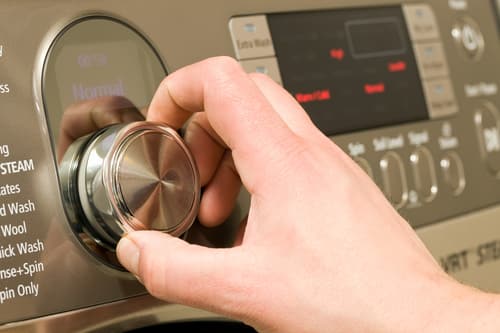
Time is a massive factor when you have multiple loads of laundry to tackle on a Sunday afternoon. Top load machines move through their wash phases quickly. Most standard top loaders will finish a complete cycle in roughly 35 to 50 minutes. Front loaders take longer to wash, sometimes running for over an hour, because the tumbling action takes more time to work the soap through the fabric.
However, the wash time does not tell the whole story. Front loaders feature a much higher spin speed RPM than traditional machines. This intense spinning extracts significantly more moisture from your clothes before they ever hit the dryer. Taking damp clothes out of the washer drastically reduces your total drying time, meaning your overall laundry day finishes faster even if the washing phase takes longer.
5. Maintenance, Mold Prevention, and Lifespan
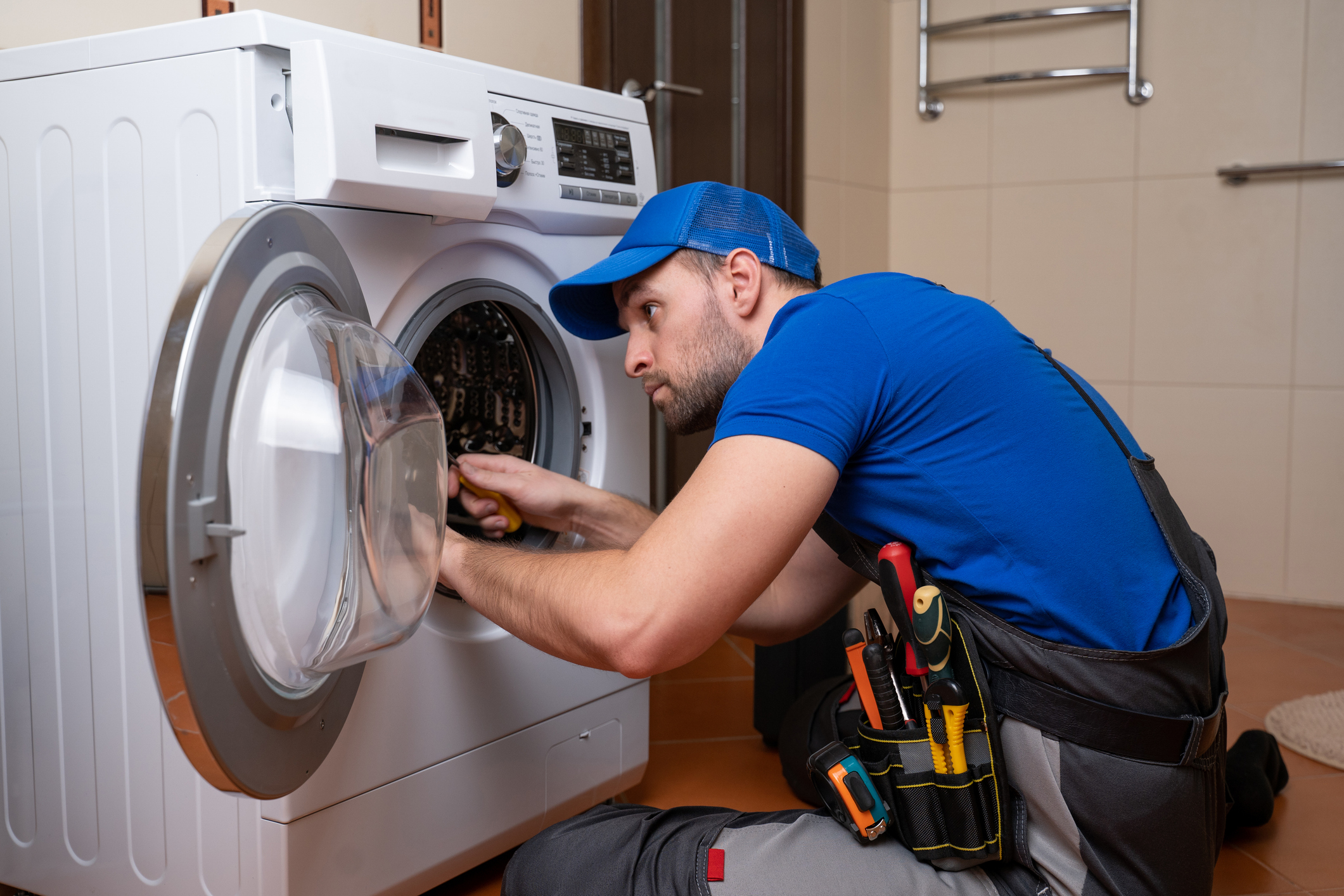
Keeping your laundry appliances clean requires slightly different routines depending on the style. Dealing with front load washer mold is a well-known frustration for many homeowners. Because the rubber door gaskets trap moisture to keep water from leaking onto the floor, you have to wipe them down regularly and leave the door cracked open after a cycle.
Pro Maintenance Tips
To keep your front load machine smelling fresh, our appliance experts know you should wipe out the rubber door seal with a dry microfiber cloth after your final load of the day. You should also run a dedicated tub clean cycle once a month using specialized cleaning tablets to break down hidden soap residue.
Top loaders generally require far less maintenance to stay fresh. The heavy water flow naturally washes out the interior, and the top-facing door lets moisture escape easily. Top loaders also feature simpler suspension systems that hold a lighter drum, which often translates to fewer mechanical failures over a decade of heavy use.
The Pros and Cons of a Top Load vs Front Load Washer
Every home requires a different approach to laundry based on family size, budget, and physical layout. Both of these machines offer excellent value, but they come with unique benefits and drawbacks depending on how you use them.
Pros
Top Load Comfort
You can stand up straight while dropping dirty clothes directly into a top loader.
Top Load Speed
Traditional machines finish standard washing routines much faster than tumbling models.
Top Load Flexibility
You can easily pop the lid open at any point to throw in a forgotten towel.
Top Load Maintenance
The design naturally prevents mold growth without needing constant wipe downs.
Front Load Cleaning
Powerful tumbling pushes detergent deep into fabric fibers to erase heavy stains.
Front Load Savings
The minimal water requirement drastically lowers your monthly utility bills.
Front Load Space
The stackable design frees up valuable floor space in small laundry rooms.
Cons
Top Load Water Waste
Deep fill basins require significantly more water per cycle, raising monthly bills.
Top Load Wear
The central agitator creates extra friction that can wear down delicate fabrics faster.
Front Load Mold
The tight rubber door seals easily trap moisture and develop bad odors if not dried.
Front Load Ergonomics
You must bend over entirely to retrieve wet clothes unless you buy risers.
Front Load Cycle Times
The tumbling wash process takes noticeably longer to complete than an agitator.
Front Load Upfront Cost
High-efficiency tumble machines usually cost more on the initial purchase.
Front Load Pausing
You cannot always open the door once a cycle starts without draining the tub first.
Frequently Asked Questions about Top Load vs Front Load Washers
Front load washers generally clean clothes better because the tumbling action drops garments through the water, allowing detergent to penetrate fibers deeply. This constant lifting and falling creates the perfect amount of friction to scrub out stains without relying on a harsh central agitator.
Front load washing machines take longer because they use minimal water and rely on prolonged tumbling to work the soap through the laundry. Our appliance experts know that this slower wash process is the trade-off for protecting your delicate fabrics and lowering your utility bills.
The best way to prevent mold in a front load washer is to wipe down the rubber door gasket with a dry cloth after your final load. You also need to leave the front door slightly open so trapped moisture can evaporate into the room.
Top load washers without central agitators, known as impeller models, are much gentler on clothes because they use a low-profile disc to move garments. This design prevents long sleeves and pant legs from tangling around a post, extending the life of your wardrobe.
You cannot use regular laundry detergent in a high-efficiency washing machine because it creates too many suds for the low-water environment. Using traditional soap will leave a sticky residue on your clothes and can eventually damage the internal pumps of the machine.
A top load washing machine generally lasts longer before needing repairs because it uses a simpler suspension system and relies on gravity to hold the water. Front load machines support a heavy sideways drum, which puts more strain on the internal bearings over the years.
Why Trust Tony's Appliance
Tony's Appliance is a family-owned and operated business that has been supplying the South Metro area with the best appliances for over 35 years. We believe in providing experienced, honest service that is prompt and economical. Our mission is to provide the best quality for the money spent, and our customers are the reason we've been successful for so long.
We are proud to say we have earned our customer's trust over the years. Whether you're looking for a complete kitchen upgrade or simply need a reliable new dishwasher, we have got you covered! Our experienced professionals know how to deliver your appliances safely and properly install them.
Shop Washing Machines at Tony's Appliance Today
We are proud to service the Burnsville, MN, area for all your indoor and outdoor appliance needs. Come by and talk to one of our specialists to discover the difference between shopping locally and shopping at a big-box store — especially when it comes to finding the perfect Bosch dishwasher for your home. Or take a look at our online catalog to find all you need! Whether you have a simple question about Bosch dishwasher features or need guidance on the right model, give us a call at 952-435-2442, use our chat feature, or visit us in person.